Green Initiatives: How E-Waste Recycling Services Are Protecting Our Planet
E-waste poses significant threats to the environment, as disposed electronics frequently harbor hazardous substances. Such dangerous compounds can pollute soil and water supplies, leading to broader ecological damage. Electronic waste recycling programs offer an effective remedy. They successfully retrieve useful resources while simultaneously minimizing environmental pollution. Comprehending the operation of these services and their influence on communities is of great importance. The journey towards effective e-waste management raises critical questions about individual responsibility and collective action. What measures can be pursued from this point onward?
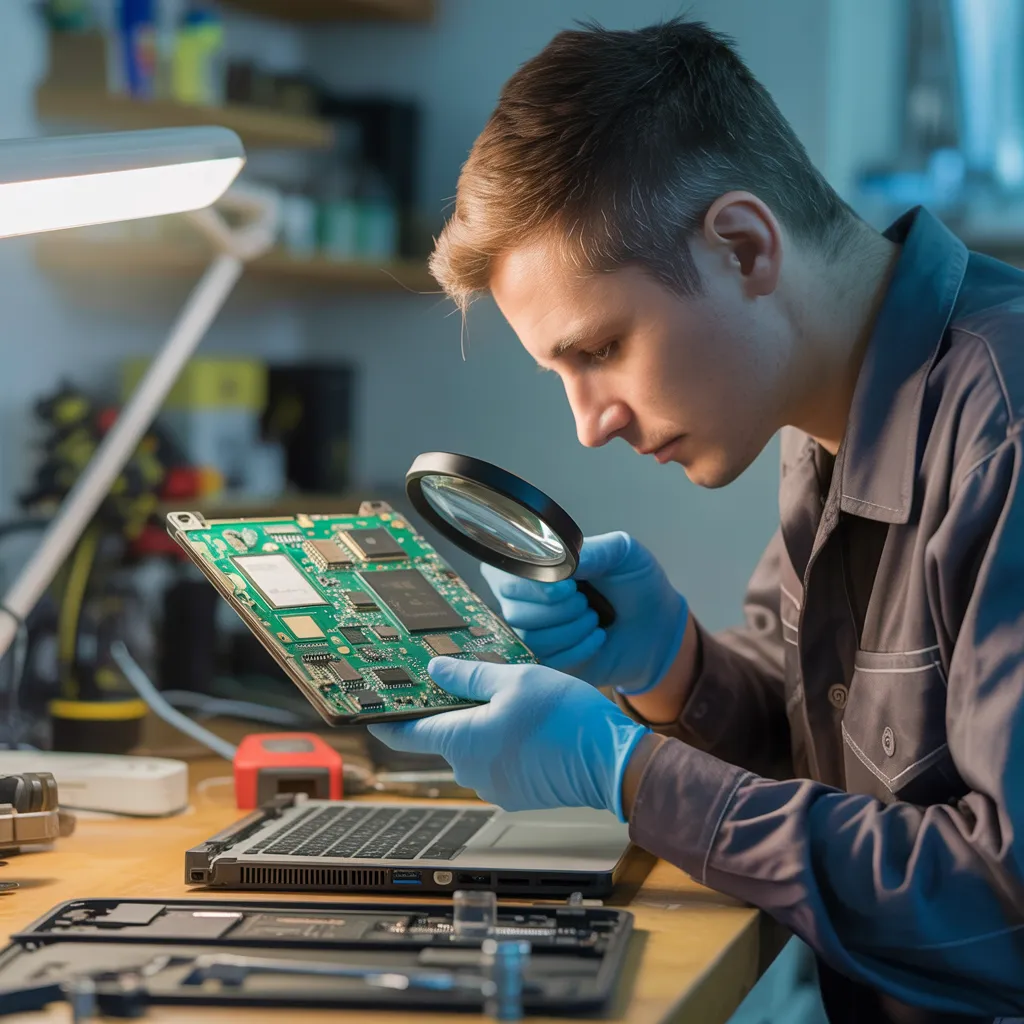
Why Electronic Waste Is Harmful to the Planet
Even though technological advancements improve modern life, e-waste creates considerable environmental hazards. Abandoned electronic gadgets, frequently composed of dangerous compounds like lead, mercury, and cadmium, may release harmful substances into soil and groundwater, presenting dangers to human health and ecosystems. The accelerating rate of technological innovation leads to higher rates of electronics disposal among consumers, worsening the buildup of e-waste.
Landfills, already burdened with waste, struggle to accommodate the growing volumes of discarded gadgets. Burning, an alternative disposal approach, discharges toxic contaminants into the air, worsening overall air quality. Moreover, poor recycling procedures can cause e-waste to be sent to developing regions, where employees may disassemble electronics without sufficient safety precautions, leaving them vulnerable to harmful substances. This ongoing cycle of carelessness and inadequate management emphasizes the pressing necessity for responsible recycling initiatives that can lessen the harmful consequences of e-waste on our world.
Understanding E-Waste and Its Significance
E-waste, also referred to as electronic waste, encompasses discarded electronic devices such as computers, smartphones, and televisions that have exceeded their operational lifespan. This increasingly prevalent form of waste is important because of its swift buildup, fueled by innovation in technology and shifting consumer habits. With an increasing number of devices reaching obsolescence, the environmental impact intensifies, with dangerous elements including lead, mercury, and cadmium threatening both ecosystems and public health.
The importance of addressing e-waste lies not only in mitigating these hazards but also in recognizing the valuable materials it contains. Valuable metals and rare earth materials can be extracted and repurposed, lessening the demand for mining and preserving natural resources. By understanding e-waste and its implications, individuals and organizations can make informed decisions about disposal and recycling, ultimately contributing to a more sustainable future. Proper management of e-waste is essential for fostering a circular economy and promoting environmental stewardship.
How the E-Waste Recycling Process Works
E-waste recycling entails a structured approach designed to recover valuable materials while reducing harm to the environment. At the outset, electronic waste is gathered and delivered to purpose-built recycling plants. Once there, the devices undergo thorough sorting to isolate dangerous parts from recoverable materials.
Subsequently, workers take apart the electronics, separating glass, metals, and plastics. This phase is essential, as it facilitates the extraction of high-value metals like silver, gold, and copper, which are repurposed in new electronics.
Afterward, the isolated materials are refined via sophisticated techniques, such as chemical treatments and shredding, to refine them for further use.
Finally, the residual dangerous materials are managed properly, adhering to environmental guidelines. This systematic method not only preserves valuable resources but also minimizes the hazards linked to unsafe e-waste handling, securing a more eco-conscious future for electronic device usage.
How E-Waste Recycling Benefits You and Your Community
Though many people are unaware, the positive effects See more of e-waste recycling reach well past personal use to meaningfully influence entire communities. By properly recycling electronic waste, individuals help foster a cleaner environment, reducing hazardous materials that can contaminate soil and water. This responsible method helps preserve local ecosystems and promotes public health.
Furthermore, the recycling of e-waste encourages workforce growth within communities. Community recycling operations commonly require workers for numerous tasks, from collection to processing, thereby providing employment opportunities to area workers. This not only boosts the local economy but also inspires community dedication to sustainable efforts.
In addition, familiarity with e-waste recycling has the potential to generate awareness campaigns, empowering residents to make environmentally conscious decisions. By engaging with e-waste recycling programs, individuals promote a culture of sustainability, prompting others to join the movement. All things considered, the combined impact of these actions can result in a more resilient and environmentally responsible community.
How to Select an E-Waste Recycling Service
Choosing the right e-waste disposal service is vital for making sure that e-waste is processed in a responsible and sustainable manner. Initially, people should verify the company's accreditations, such as R2 or e-Stewards, which demonstrate conformance to industry standards for responsible recycling methods. It's also important to examine the provider's reputation by reviewing feedback and looking for referrals from reliable sources.
Next, transparency in the recycling process is vital. A trustworthy service should provide clear information about the way e-waste is handled and what happens to the materials. Furthermore, considering the scope of services provided can prove valuable; various firms may supply retrieval services or extend benefits for recycling.
Ultimately, being aware of local guidelines related to e-waste disposal can additionally influence the choice of disposal method. Through focusing on these key aspects, residents can actively participate in effective e-waste management alongside encouraging eco-friendly habits.
How You Can Get Involved in E-Waste Recycling?
Participating in e-waste recycling can start at the local level, where community recycling hubs frequently offer essential services for proper disposal. Furthermore, joining community awareness campaigns can strengthen efforts to educate others about the importance of ethical e-waste practices. These actions not only advance environmental sustainability but also cultivate a collective sense of stewardship of the environment.
Nearby Recycling Facilities
Numerous regional recycling hubs fulfill a critical purpose in recycling electronic waste, providing communities with accessible options to dispose of electronic waste responsibly. These centers accept a variety of electronic equipment, including old computers, smartphones, and televisions, making certain that hazardous materials are managed safely. Many hubs feature trained staff who are able to assist individuals with correct disposal techniques, highlighting the value of recycling rather than landfilling. In addition, numerous facilities provide scheduled drop-off occasions or specific collection dates, making participation convenient for residents. By engaging with these local facilities, community members advance a circular economy, reducing environmental impact and promoting sustainable practices. Connecting with these stations empowers communities to take action against e-waste pollution effectively.
Community Outreach Campaigns
Community groups, educational institutions, and companies can partner to arrange initiatives that encourage e-waste collection drives. Volunteers can play a pivotal role in promoting knowledge, handing out educational content, and interacting with the surrounding community. By means of these joint initiatives, local inhabitants gain greater awareness and encouragement to properly recycle their e-waste, thereby helping to build a greener and more sustainable tomorrow.
Answers to Your Most Common Questions
What Electronic Devices Are Eligible for Recycling?
Numerous electronics can be recycled, including laptops, televisions, smartphones, printers, computers, and gaming consoles. Moreover, ancillary devices such as mice, keyboards, and batteries are equally appropriate for recycling, supporting efforts to conserve the environment.
Are There Fees Involved With E-Waste Recycling?
Indeed, e-waste disposal can include costs, depending on the facility. Some service centers charge fees for collection or processing, while some providers provide no-cost solutions, often subsidized by the proceeds from salvaged materials.
What Are the Benefits of E-Waste Recycling for Businesses?
Businesses can benefit from e-waste recycling by reducing disposal costs, strengthening their ecological standing, adhering to regulatory requirements, reclaiming useful materials, and potentially generating revenue through resale, ultimately contributing to a more sustainable operational strategy.
What Becomes of Data on Recycled Devices?
Details from repurposed equipment is commonly completely removed or destroyed during the refurbishment process. This ensures confidential data remains secure, stopping improper access while permitting components to be recycled safely and responsibly within new applications.
Is It Possible to Recycle Damaged Electronics?
Indeed, defective electronics are able to be recycled. A wide range of facilities process defective devices, providing responsible disposal and recovery of recoverable materials. It helps lower harm to the environment while fostering responsible recycling practices to control e-waste effectively.
Comments on “Electronics Recycling Services: Professional E-Waste Solutions for Homes”